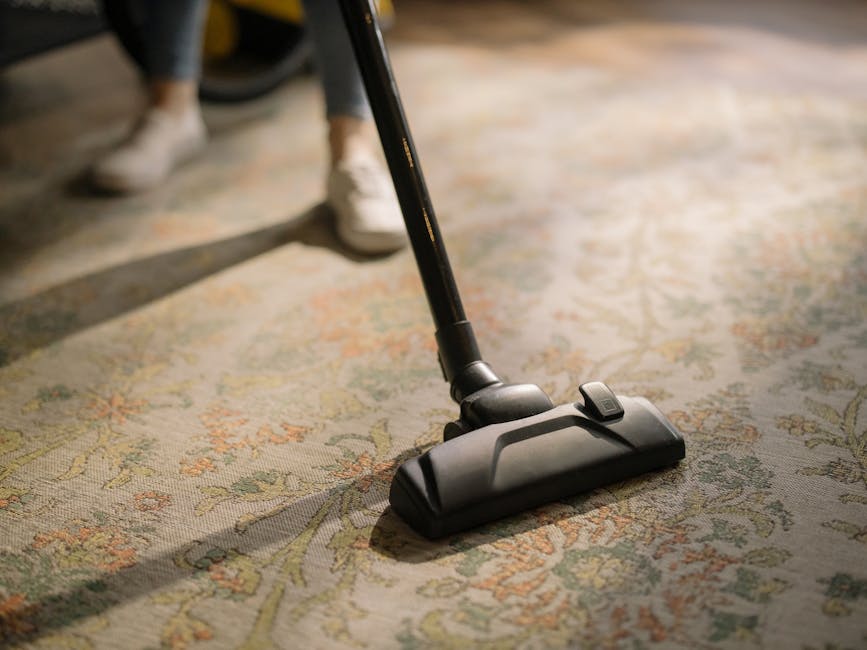
Bermondsey Spa Gardens event cleaning and hire prep: a practical guide for smooth handovers
Getting a space ready for an event sounds simple until the last 24 hours arrive. Someone's moved tables twice, glassware is still drying, the floor has a few muddy marks, and the hire team wants a clean, clear, safe site before they unload. That is exactly where Bermondsey Spa Gardens event cleaning and hire prep becomes valuable. It is not just about making things look tidy. It is about setting up the space so it can be used confidently, handed over quickly, and returned in good condition after the last guest leaves.
Whether you are organising a community gathering, a seasonal fair, a private celebration or a commercial activation, the cleaning and prep side can make or break the day. In this guide, we will walk through what matters, how the process usually works, what to watch for, and how to avoid the little problems that turn into big ones. Truth be told, most event issues are not dramatic. They are the small things: a sticky patch near the entrance, a missed bin point, or a hire delivery rolling in before the site is actually ready.
Use this as a practical working guide, not a fluffy overview. You will find step-by-step prep advice, common mistakes, a comparison of cleaning approaches, and a checklist you can actually use. If you also need broader property or venue support, services such as deep cleaning, one-off cleaning, and after builders cleaning can be relevant depending on the condition of the space beforehand.
Table of contents
- Why Bermondsey Spa Gardens event cleaning and hire prep matters
- How Bermondsey Spa Gardens event cleaning and hire prep works
- Key benefits and practical advantages
- Who this is for and when it makes sense
- Step-by-step guidance
- Expert tips for better results
- Common mistakes to avoid
- Tools, resources and recommendations
- Law, compliance, standards, or best practice
- Options, methods, or comparison table
- Case study or real-world example
- Practical checklist
- Conclusion
- Frequently asked questions
Why Bermondsey Spa Gardens event cleaning and hire prep matters
Event spaces have a short memory. One hour earlier they may have looked presentable; one hour later they can feel slightly chaotic, especially once equipment starts arriving. A proper cleaning and hire prep plan protects the venue, helps crews work faster, and reduces the chance of awkward delays on the day. If you have ever watched a delivery team stand around waiting while someone hunts for bin liners or checks whether the floor has been swept, you will know the feeling.
In a place like Bermondsey Spa Gardens, presentation matters because the setting is part of the experience. People notice the first impression almost immediately: the entrance path, litter-free edges, clean seating areas, and whether the toilets, communal touchpoints, or hard surfaces feel fresh. That first five minutes shapes how guests, vendors, and hire staff read the rest of the event. It is not vanity. It is operational sense.
Hire prep also matters because equipment is usually brought in on a tight schedule. Chairs, marquees, display units, catering gear, audio equipment, or promotional materials often need clear access and a clean surface underneath. If the site is not ready, every later task takes longer. And when the clock is ticking, longer turns into expensive pretty quickly.
There is a trust element too. If your event has contractors, volunteers, or paid staff coming in and out, a clean and organised space signals that the operation is being handled properly. That matters for peace of mind, and it helps avoid unnecessary friction. To be fair, people do notice the basics.
How Bermondsey Spa Gardens event cleaning and hire prep works
The process usually falls into three stages: pre-event cleaning, immediate hire preparation, and post-use reset. Each stage has a different purpose, and mixing them together is where plans often go off track.
Pre-event cleaning is about removing dust, debris, marks, and anything left from previous use. It may include sweeping, vacuuming, surface sanitising, washroom freshening, bin management, and cleaning high-contact points like handles or table edges. If the space has seen construction, decorating, or storage, an after builders cleaning approach may be needed before anything else.
Hire preparation means making the site physically ready for incoming equipment and people. That can include clearing access routes, checking floor conditions, marking safe load-in areas, and making sure power points, windows, and doorways are usable. If there are carpets, rugs, or upholstered waiting areas in the setup zone, services like carpet cleaning, rug cleaning, or upholstery cleaning may make a noticeable difference to presentation.
Post-event reset happens after the hire has finished. This is where waste is removed, spills are dealt with, surfaces are restored, and the venue is handed back in a condition that is close to, or better than, how it was received. A reliable cleaning company will usually talk through the handover points in advance so there are no surprises.
The best versions of this process are simple, but not casual. They are planned. Times are agreed. Access is checked. Cleaning priorities are ranked. And somebody owns each task, which sounds obvious, but somehow is often the missing part.
Key benefits and practical advantages
There are a few benefits that come up again and again when venue prep is done properly.
- Faster setup: hire teams can unload and install without pausing to clear debris or clean surfaces first.
- Better presentation: guests see a cared-for space, which makes the whole event feel more polished.
- Lower risk of damage: clean floors, dry walkways, and clutter-free zones reduce knocks, slips, and avoidable wear.
- Smoother supplier coordination: caterers, decorators, and equipment crews can all work from a shared plan.
- Less end-of-event stress: with a reset plan in place, the site is easier to hand back on time.
There is also a softer benefit that people sometimes miss. A well-prepared space tends to keep everyone calmer. When the venue feels ready, the team feels ready. That matters on event day, especially if the weather is a bit grim, someone has arrived early, and the kettle is making its third comeback of the morning.
Another practical advantage is cost control. Preventative prep often avoids damage claims, emergency call-outs, and extra labour hours. It is much cheaper to clean and protect a site in advance than to deal with a messy problem after the fact. You do not need a dramatic disaster for costs to creep up; small inefficiencies do the job just fine.
Who this is for and when it makes sense
This kind of prep is relevant for a lot more people than just professional event organisers. It can be a smart move for:
- community groups running local gatherings
- event planners managing short turnaround bookings
- venues hosting public or private hire
- businesses organising brand activations or staff events
- caterers or suppliers needing clean access and setup space
- property managers responsible for handover condition
It makes sense whenever there is a handover, a deadline, or mixed use of the site. If the space is being used after normal hours, or if several contractors are arriving one after another, prep becomes even more important. The same is true if the event includes food service, heavy footfall, children, or wet-weather traffic. A damp shoe on a polished floor can turn a tidy plan into a slow shuffle.
For some organisers, a light tidy may be enough. For others, especially those dealing with high-traffic or sensitive areas, a more detailed deep cleaning or a regular support package through cleaners might be the better fit. The right level depends on the condition of the site and the standard expected at handover.
Step-by-step guidance
Here is a practical way to approach Bermondsey Spa Gardens event cleaning and hire prep without overcomplicating it.
- Walk the site early. Do a proper check before anything is moved in. Note dust, stains, trip hazards, blocked access points, and anything that could interfere with hire delivery.
- Set a priority list. Identify what must be perfect, what simply needs attention, and what can wait until after the event. Not every area needs the same level of work.
- Clear access routes. Make sure entry points, corridors, loading spaces, and turn areas are free from clutter. If someone is bringing in larger kit, this is non-negotiable.
- Clean the visible surfaces first. Guests notice floors, tables, door handles, and washroom touchpoints. Start with what people actually see and use.
- Check floor condition. For hard surfaces, a proper sweep and mop may be enough, but if there are scuffs, residues, or safety concerns, more targeted hard floor cleaning is worth considering.
- Deal with soft furnishings. Chairs, benches, rugs, and fabric seating can hold odours or marks. If the area is being photographed or used by guests closely, do not leave these until the end.
- Set bins and waste points. Put waste where it will actually be used. If the bins are hidden away or full at the wrong time, rubbish migrates. It always does.
- Prepare the handover file. Keep notes on access times, key contacts, cleaning completed, and any remaining issues. This helps with accountability and avoids awkward memory-based disputes later.
- Do a final sign-off sweep. Right before hire arrival, make one last pass for slips, smears, missing supplies, or blocked spots.
If the event includes a lot of footfall through windows, glass partitions, or display areas, a fresh finish from window cleaning can lift the whole space. It is one of those details that people do notice, even if they do not mention it.
Expert tips for better results
Over time, a few habits make a clear difference.
Start earlier than you think you need to. Most event prep feels manageable until the last hour. Then everything is suddenly urgent. Giving yourself a buffer is not overkill; it is smart scheduling.
Use the route, not just the room. People often focus on the event area and forget the journey into it. Entrances, hallways, corners, and the first turn a delivery team makes all affect the experience. A clean main room means less if the access path looks unfinished.
Match the cleaning method to the surface. A shiny hard floor, a carpeted marquee area, and an upholstered seating zone all behave differently. Using the wrong product or tool can leave residue, dull finishes, or damp spots that linger longer than expected. That is one reason experienced cleaners tend to plan by material, not just by room.
Communicate the "don't touch" list. This is a simple one, but very useful. If an area is cleaned and ready, label it or brief the team so someone does not store boxes there by mistake. It happens. More than you would think.
Keep a small response kit on hand. Spare cloths, gloves, bin bags, a mop, neutral cleaner, and absorbent paper can save the day when a minor spill appears at the wrong moment. You may not need it. But when you do, it is lovely to have.
Think about sustainability. If the event is generating lots of packaging and disposable waste, a plan for sorting and recycling should be built into the prep. A practical approach to recycling and sustainability can make the operation cleaner and easier to manage.
Common mistakes to avoid
These are the kinds of issues that create avoidable headaches.
- Leaving prep until hire arrival: once equipment is due, cleaning becomes slower and more stressful.
- Assuming one quick tidy is enough: if the site has been unused, dusty, or heavily trafficked, surface cleaning alone may not be enough.
- Forgetting the small touchpoints: handles, switches, railings, and tabletops matter more than people expect.
- Ignoring damp areas: a wet patch near an entrance or washroom can become a slip hazard very quickly.
- Not agreeing responsibilities: when no one owns waste removal, restocking, or final checks, tasks simply drift.
- Skipping the final walkthrough: things look different once the room is empty. That last pass often catches the issues that were hidden during setup.
One of the sneakiest mistakes is overcleaning the wrong bit and undercleaning the bit people actually use. A spotless back wall will not rescue a sticky floor. Priorities, always priorities.
Tools, resources and recommendations
You do not need a giant kit to prepare a venue properly, but you do need the right basics.
- neutral cleaning solution suitable for mixed-use spaces
- microfibre cloths and mop heads
- vacuum suitable for carpets and mats
- paper towels or absorbent wipes for small spills
- bin bags sized for the waste volume expected
- gloves for handling waste or dirty touchpoints
- signage for wet floors or restricted areas
If the venue includes soft furnishings, carpets, or rugs, specialist attention may be needed before the hire begins. In some cases, sofa cleaning or upholstery work can improve the finish enough that the whole space feels more presentable. For kitchens, break areas, or prep zones, oven cleaning and similar targeted services may be more relevant if those facilities are part of the event operation.
For one-off events, many organisers benefit from using a dedicated one-off cleaning visit rather than trying to cobble together ad hoc help. If the event is more operational or work-related, support from office cleaning or office cleaners may also be a useful comparison point, especially for spaces that need a professional finish without becoming overcomplicated.
Law, compliance, standards, or best practice
Every event space has to be handled with care, and it is wise to follow recognised UK health and safety practice even if the job is relatively small. That usually means keeping walkways clear, identifying wet floors, managing waste properly, and avoiding chemical misuse. It also means making sure people know who is responsible for the site at each stage.
If staff, contractors, or volunteers are working in the space, a clear process matters. Good practice usually includes:
- safe access and exit routes
- clean, dry floors where possible
- proper handling of cleaning products
- clear reporting of hazards or damage
- basic insurance awareness between organiser and provider
Where a professional provider is involved, it is sensible to ask about operational safeguards, public liability cover, and how issues are reported if something goes wrong. You can also review the company's insurance and safety approach, along with their health and safety policy, to understand how they work. If payment terms, cancellations, or scope questions matter for your booking, the terms and conditions and payment and security pages are useful reference points too.
It is worth being careful with assumptions. Not every event needs a formal compliance-heavy approach, but every event does need sensible housekeeping. The basics are boring until they are missing. Then they are suddenly everything.
Options, methods, or comparison table
Different events need different cleaning approaches. The right choice depends on the space, the turnaround time, and the standard expected at handover.
| Method | Best for | Strengths | Limitations |
|---|---|---|---|
| Basic pre-event tidy | Light-use spaces and low footfall | Quick, low cost, good for simple set-ups | May miss stains, odours, or deeper dirt |
| Targeted event cleaning | Spaces with clear access, surfaces, and presentation needs | Balances speed with better finish | Needs a proper plan and some coordination |
| Deep clean before hire | Worn, dusty, or high-use spaces | Best appearance and hygiene result | Takes more time and usually more budget |
| Post-event restoration clean | After hire, parties, and busy public events | Returns the site to a reliable standard | Can be more labour-intensive if waste is heavy |
If you are unsure which method suits your situation, think about the condition of the space first, not the event title. A small event in a tired room may need more work than a bigger event in a well-kept one. That is the bit people miss.
Case study or real-world example
Picture a weekend hire in Bermondsey Spa Gardens where a community group is setting up a small public-facing activity with tables, lightweight display stands, and a modest refreshment area. The room is fine at first glance, but the entrance has a bit of tracked-in grit, the floor near the serving point feels dull, and the windows show finger marks from the previous day.
The prep plan starts with a site walk and a list of three priorities: access, presentation, and waste management. The team clears the delivery path first. Then the hard floor is cleaned, the windows are finished, and the surfaces in the main activity area are wiped down. A few fabric chairs are given extra attention because they are in the camera line for photos. Nothing dramatic, just careful.
On the day itself, the hire team arrives, loads in without stopping, and the organiser does not have to apologise for the state of the room. That alone changes the mood. Later, after the event, a quick reset works because the waste system was set up in advance and everyone knew what was theirs to clear. No panic. No last-minute scramble. Just a decent handover.
It sounds simple, because it is simple when done well.
Practical checklist
Use this before hire arrival and again before handover.
- site walk completed
- access routes cleared
- floors swept, vacuumed, or cleaned as needed
- high-touch surfaces wiped down
- washrooms checked and restocked
- bins emptied or lined up for use
- waste removal plan confirmed
- soft furnishings checked for marks or odours
- windows and visible glass cleaned
- cleaning supplies ready for minor spills
- sign-off person named for final walkthrough
- handover notes saved
If the space is larger or has mixed flooring, you may also want to split the checklist into zones. It makes it easier to see what has been completed and what still needs attention. A bit old-school, perhaps, but very effective.
Get a free quote today and see how much you can save.
Conclusion
Bermondsey Spa Gardens event cleaning and hire prep is really about control. Not control in a rigid sense, but the kind that makes an event feel calm, presentable, and easy to run. When the cleaning is planned properly, the hire team moves faster, the venue looks better, and the whole day has a more settled feel. That is the difference people remember, even if they never say it out loud.
Start early, keep the priorities clear, and match the cleaning method to the job rather than guessing. If you get the basics right, everything else becomes easier. And honestly, that is the goal. A smooth handover, a clean space, and one less thing to worry about on the day. Nice and simple.
Frequently asked questions
What does Bermondsey Spa Gardens event cleaning and hire prep usually include?
It usually includes pre-event cleaning, access clearing, floor care, waste setup, touchpoint wiping, and a final walkthrough before hire arrival. Depending on the condition of the space, it may also include deeper work on carpets, hard floors, glass, or upholstery.
How far in advance should event cleaning be booked?
As early as possible. For straightforward jobs, a few days may be enough, but busy periods, larger hires, or mixed-use spaces benefit from a longer lead time. The more moving parts there are, the more you want breathing room.
Is a basic tidy enough before hire starts?
Sometimes, yes. But if the space has visible marks, dust, spill risk, or heavy footfall, a basic tidy may not be enough. The standard should match the hire expectations, not just the amount of time available.
What areas are most commonly missed during prep?
Entrances, floor edges, door handles, washrooms, and access routes are often overlooked. People also miss the route in rather than the room itself, which is usually where the trouble begins.
Do carpets or soft furnishings need specialist cleaning before an event?
If they are visible, heavily used, or have marks or odours, specialist cleaning is often worthwhile. A fresh carpet or chair set can make the whole venue feel much more polished.
How do I know whether I need deep cleaning or one-off cleaning?
If the space needs more than a tidy and wipe-down, or if it has not been properly cleaned for a while, deep cleaning may be the better option. If you simply need a single focused visit before an event, one-off cleaning can be enough.
What should I check before hire equipment arrives?
Check access, floor condition, waste points, power access, and any areas that must stay clear. It also helps to confirm who is responsible for opening, closing, and sign-off.
Are health and safety checks really necessary for a small event?
Yes, at a practical level. Even small events can involve trips, slips, cleaning products, and crowd movement. A simple safety check helps reduce avoidable problems.
Can event cleaning help reduce damage at handover?
Absolutely. Clean floors, protected surfaces, and a clear waste plan reduce accidental damage and make the final handback much smoother. It also makes any genuine damage easier to spot.
How do I choose the right cleaning support for my event?
Look for a provider that understands timing, access, and handover needs, not just cleaning tasks. It is also sensible to review their approach to safety, insurance, and payment terms before booking.
What happens if the space needs cleaning after the event as well?
Then you should plan for a post-event reset, not just pre-event prep. Waste removal, surface restoration, and spot cleaning after use are often the difference between a quick handback and a long, messy one.
Can I combine event prep with other cleaning services?
Yes, and that is often sensible. Depending on the site, you might combine event prep with domestic cleaning, house cleaning, home cleaners, or more focused services such as oven cleaner support if kitchen use is involved. The key is choosing the right fit, not stacking services just because they exist.